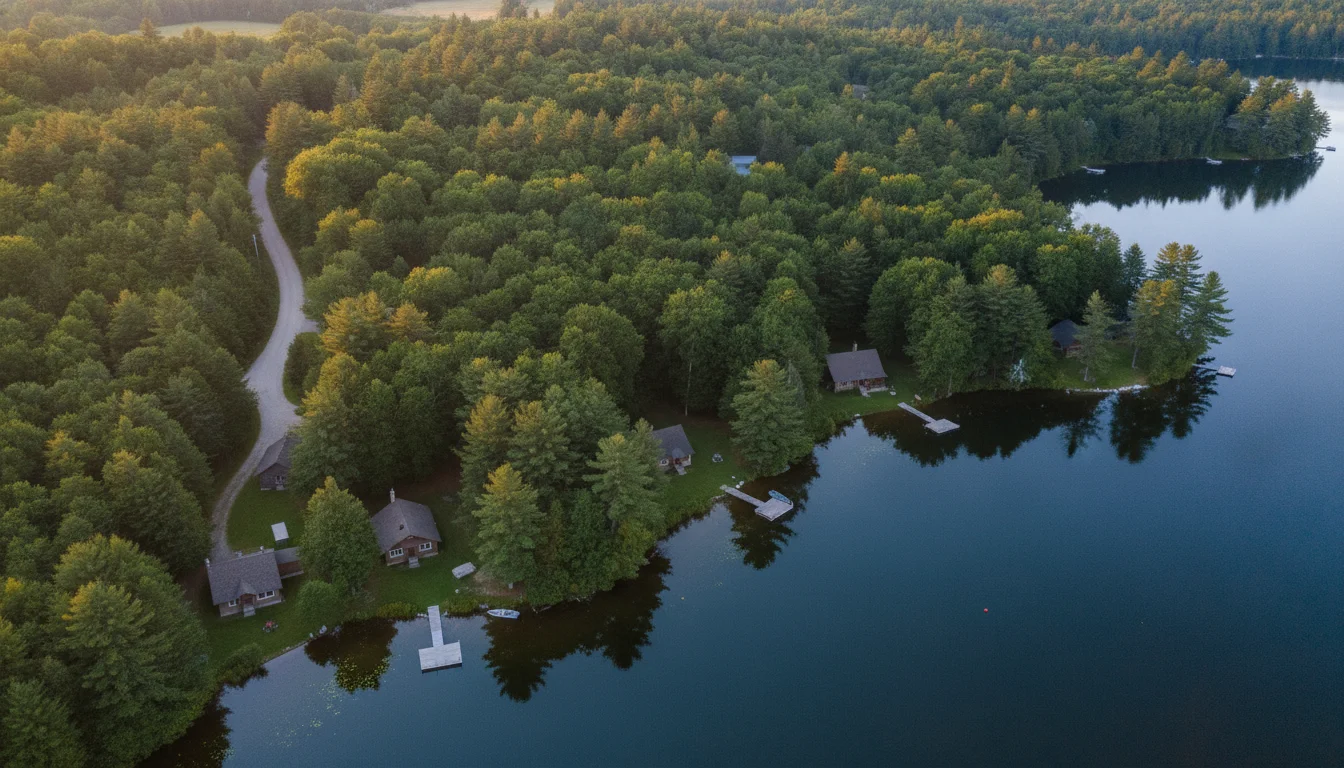
It was the August long weekend. A family up in Fenelon Falls had their cousins driving in from Brampton with a 30-foot motorhome. Big plans. Fishing, swimming, cold beers on the dock. The cousins parked the RV beside the garage, ran a hose to the cleanout, and dumped their black tank straight into the septic system. Nobody thought twice about it.
Two weeks later, the homeowner called us. Toilets weren’t flushing. The yard near the tank smelled terrible. Drains were backing up.
They didn’t do anything crazy. They just didn’t do it right.
If you’ve got a cottage or home on a septic system in Kawartha Lakes and you’re wondering whether you can dump RV waste into your septic tank, here’s everything you need to know.
The Short Answer
Can you dump RV waste in your septic system? Yes, you can. But you need to be careful about how you do it.
Your septic tank is designed to handle human waste and household wastewater. An RV black tank holds the same kind of waste. In theory, it’s a match. The problem isn’t the waste itself. It’s the volume, the chemicals mixed in with it, and the way most people go about the dump.
Done correctly, dumping RV into your septic system is perfectly fine and won’t cause damage. Done poorly, you can shock the bacteria in your tank, overload the system, or cause a backup that costs hundreds to fix.
The good news is that doing it right isn’t complicated. You just need to follow a few rules.
How to Do It Safely
If you’re planning an RV septic hookup at your property, here’s the safe way to handle it.
1. Connect to the septic tank’s cleanout or inlet.
Don’t just dump waste on the ground near the tank. You need a proper connection point. Most septic systems have a cleanout pipe or an access point near the tank. Use a sewer hose adapter that creates a tight seal. No leaks, no splashing.
If you don’t have an accessible cleanout, you can open the tank’s lid and dump directly in. Just be careful about the flow rate so you don’t disturb the layers inside the tank.
2. Dump slowly.
This is where a lot of people go wrong. An RV black tank can hold 30 to 60 gallons. Your grey tank might hold even more. If you open the valve and let everything rush in at once, you’re sending a wall of waste into a tank that relies on separation. The force can stir up settled sludge and push solids toward the outlet and into your drain field.
Open the valve partway. Let it flow at a controlled pace. If you can, dump the black tank first, then follow with the grey tank. The grey water helps rinse the hose and dilutes the heavier waste.
3. Use plenty of water.
Before you dump, add extra water to your RV’s black tank if it’s not already full. A half-empty tank of concentrated waste is harder on your septic than a full tank that’s more diluted. After the dump, flush the black tank with clean water if your RV has a built-in rinse system.
4. Know your septic tank’s capacity.
A standard residential septic tank in Ontario holds between 750 and 1,500 gallons. If your tank was pumped recently and has plenty of room, adding 40 or 50 gallons from an RV isn’t going to cause a problem. But if your tank is already nearing its limit, that extra volume could push things over the edge.
If it’s been a while since your last pump, you might want to check your pumping schedule before hosting anyone with an RV.
5. Only dump a few times per season.
One or two dumps over the summer from visiting family? Your system can handle that. But if you’re living in an RV on your property and dumping into the septic every week, that’s a different story. That kind of regular load needs to be factored into your maintenance plan.
Not sure if your system is up for it? Give us a call at (705) 702-5526. We can check your tank levels and let you know where you stand before the company shows up.
What NOT to Do
We’ve seen all kinds of creative approaches to RV waste disposal septic situations across Lindsay, Bobcaygeon, and the surrounding area. Some of them are fine. Others cause real damage.
Here’s what to avoid.
Don’t dump into the drain field.
Your drain field is not a disposal point. It’s the filtration stage of your system. Dumping waste onto or near the drain field bypasses your tank entirely and introduces raw sewage into the soil. This can contaminate groundwater and is a violation of Ontario’s septic system regulations.
Don’t dump into a floor drain or laundry sink that bypasses the tank.
Some older properties have drains that route to a grey water pit or drywell instead of the septic tank. If you connect your RV hose to one of these, you’re sending black tank waste somewhere it was never meant to go.
Don’t dump when the ground is saturated.
After heavy rain or during spring thaw, your septic system is already working overtime. Adding a sudden slug of RV waste on top of that is asking for trouble. If the ground around your tank is soggy or you’re seeing standing water near the drain field, wait a few days. If things don’t improve, that could be a sign of a bigger issue. Here’s what causes septic system failure.
Don’t use your neighbour’s cleanout without asking.
This sounds obvious, but it happens. A homeowner near Coboconk called us because their system started acting up out of nowhere. Turned out their neighbour’s weekend guests had been dumping their RV into the wrong cleanout. Honest mistake, but an expensive one.
How RV Chemicals Affect Your Septic
This is the part most people overlook, and it’s one of the biggest risks of dumping RV black tank to septic.
Most RV holding tank treatments contain formaldehyde or bronopol. These are biocides. Their job is to kill bacteria and control odours inside the RV’s black tank. That’s great for the RV. It’s terrible for your septic system.
Your septic tank depends on live bacteria to break down solids. That’s the whole system. When you dump a black tank full of chemical deodorizers into your septic, you’re introducing substances designed to kill the very organisms keeping your system alive.
One dump with moderate chemicals probably won’t destroy your system. But repeated dumps, or one dump with a heavy dose of formaldehyde-based treatment, can knock your bacterial balance off for weeks.
What to use instead:
If you know you’ll be dumping into a septic system, switch to a septic-safe RV holding tank treatment before your trip. Look for products that are formaldehyde-free and enzyme-based. These work with your septic bacteria instead of against them.
Common septic-safe brands include products labelled “bio” or “enzyme” treatments.
This one change makes the biggest difference. If your RV guests are using the wrong chemicals and dumping into your septic all summer, your system will feel it. Regular septic tank maintenance becomes even more important in that case.
Alternatives to Dumping in Your Septic
Not every situation calls for dumping into your septic. Here are some other options that keep your system out of the equation.
Public dump stations.
There are dump stations across the Kawartha Lakes region at campgrounds, marinas, and municipal sites. They’re designed for exactly this purpose and usually cost nothing or charge a small fee. If your guests are just passing through for a weekend, this is the easiest option.
Portable waste totes.
These are wheeled tanks that connect to your RV’s sewer outlet. You fill them up, roll them to a dump station, and empty them there.
Pump-out service.
If you’d rather not deal with any of it, a septic service company can pump the RV’s tanks directly. It’s not something most people think of, but it’s an option. Call us at (705) 702-5526 and we can talk about what makes sense for your setup.
Holding tank rental.
For longer stays, some property owners install a temporary above-ground holding tank for the RV to drain into. The tank gets pumped by a service truck on a schedule. This keeps the load completely separate from your household septic system.
FAQ
Can you dump RV grey water into a septic system?
Yes. Grey water from your RV’s sinks and shower is actually easier on a septic system than black tank waste. It’s lower in solids and doesn’t typically contain harsh chemicals. The same rules apply though. Dump slowly, connect properly, and don’t do it when your system is already stressed.
How often can you dump an RV into your septic?
For an occasional weekend visit, once or twice a season is no problem for a healthy system. If you’re dumping weekly, you should factor that into your pumping schedule and consider getting your tank inspected more frequently. Check out our guide on septic pumping costs in Ontario to plan your budget.
Do you need a special connection for an RV to septic?
You don’t need a permanent hookup, but you do need a proper sewer hose with the right adapter. A standard RV sewer hose with a 3-inch fitting can connect to most cleanout pipes. Make sure the connection is sealed. If you want a permanent setup, a licensed installer can add a dedicated RV dump connection to your septic line.
Will dumping RV waste void my septic warranty or inspection?
Not on its own. But if chemical damage or overloading from frequent RV dumps causes your system to fail, that’s on you. Keeping pumping records shows you’re managing the system responsibly.
The Bottom Line
Dumping RV waste in your septic tank is perfectly doable. Cottage owners across Kawartha Lakes do it every summer without problems. The ones who run into trouble dump too fast, use the wrong chemicals, or add too much volume to a system that’s already due for a pump.
If you’ve got guests coming with an RV this season, take five minutes before they arrive. Check when your tank was last pumped. Make sure you have an accessible connection point. And tell your guests to switch to septic-safe tank treatments before they hit the road.
A little planning goes a long way. And if you’re not sure whether your system can handle the extra load, we’ll come take a look.
Book a septic inspection or pumping today or call us at (705) 702-5526. We serve Kawartha Lakes, Lindsay, Bobcaygeon, Fenelon Falls, Coboconk, and the surrounding area.