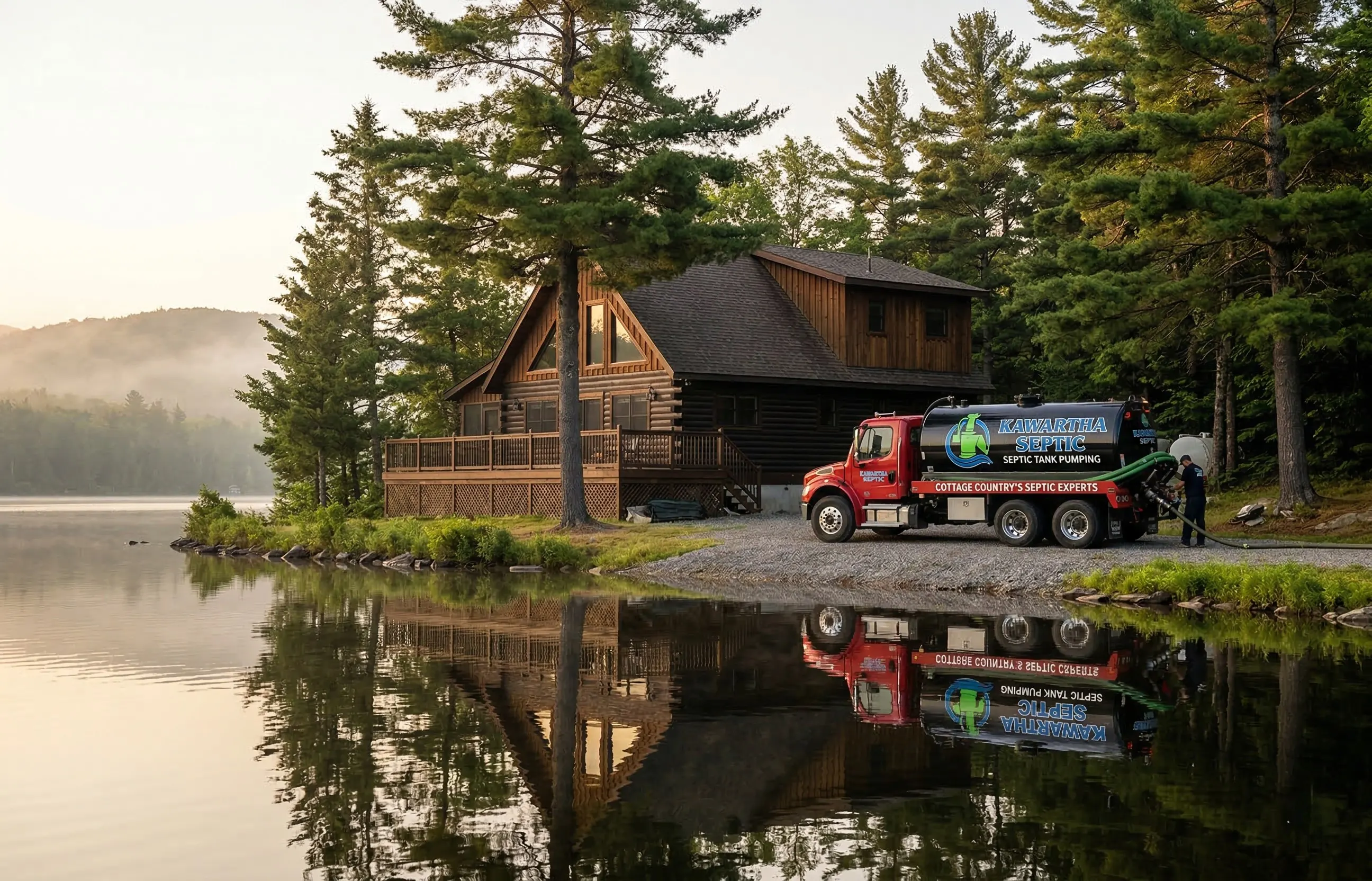
Older Ontario cottages have a lot of charm, like original wood interiors and beautiful lake views. However, before you start replacing kitchen cabinets or planning an addition, take time to check the real condition of the property.
Many cottages in Kawartha Lakes were first built for seasonal use. Old windows, little insulation, outdated plumbing, and septic systems meant for small groups can lead to costly surprises when you start renovating.
The best way to start is by inspecting the cottage, fixing what needs repair, and upgrading only where it really matters. These seven checks will help you decide how to spend your renovation budget before you take on big projects.
Top 7 Renovations for Your Cottage in Ontario
| Renovation | Complexity | Average price range (CAD) | What affects the cost |
|---|---|---|---|
| 1. Windows & exterior doors | Low - Medium | $800 – $2,000 per window | Window size, glazing, frame condition, installation type |
| 2. Roof, foundation & moisture | Medium - High | $8,000 – $22,000 for roof replacement | Roof size, material, structural repairs, drainage problems |
| 3. Insulation & heating | Medium - High | $1,500 – $3,000 for attic insulation; $3,500 – $8,000 for furnace replacement | Insulation coverage, heating system, existing construction |
| 4. Plumbing & water supply | Medium - High | $2,000 - $10,000+ for substantial plumbing or water-system upgrades | Pipe accessibility, freeze protection, pumps, water source |
| 5. Septic system | High | $15,000 - $35,000 for a full replacement (most jobs $15,000 - $30,000) | Soil conditions, system capacity, lot access, waterfront setbacks |
| 6. Electrical system | Medium - High | $2,000 - $5,500 for panel upgrade | Existing wiring, service capacity, additional circuits |
| 7. Permits & renovation planning | Low - High | From $117 for applicable City of Ottawa building permits | Project scope, drawings, engineering, municipal approvals |
1. Windows and Exterior Doors: Are They Still Keeping the Weather Out?
Most window installation Ottawa experts agree that problems with old cottage windows are easy to miss in the summer. Drafts, worn weatherstripping, damaged frames, and condensation are much easier to spot during Ontario’s colder months.
Before investing in new windows, inspect:
- Operation: Do windows open, close, and lock securely?
- Glass: Is there fog or moisture trapped between panes?
- Frames: Are there signs of rot, warping, or water damage?
- Seals: Can you feel drafts around closed windows or doors?
- Comfort: Do rooms feel unusually cold or overheat in direct sunlight?
If you see condensation between glass panes, it usually means the insulated-glass seal has failed. Sometimes you can replace just the glass unit instead of the whole window frame, depending on its condition.
If you use your cottage in winter, ENERGY STAR-certified windows with the right U-factors (<1.22), low-E coatings, and good installation can make it more comfortable and help keep heat inside.
2. Roof, Foundation, and Moisture: Find the Source Before Renovating
Water damage can quickly turn a simple cottage renovation into a much bigger job.
Inspect the roof, attic, foundation, and basement or crawl space for water staining, damaged roofing, visible cracks, damp materials, and musty odours.
Watch the drainage around your cottage. If the ground slopes toward the foundation, or if gutters and downspouts are damaged or too close to the walls, you could end up with moisture problems.
If you see white, chalky deposits on masonry (called efflorescence), it means moisture has moved through before. This is a sign to look closer, but it doesn’t always mean there’s an active leak.
Don’t just paint over stains or add new finishes before fixing the real problem. If your cottage is on the water, you might also have unique groundwater or drainage issues that need a professional’s opinion.
3. Insulation and Heating: Can the Cottage Handle Winter?
A cottage that’s comfortable in July might have trouble staying warm and safe in January.
Begin by checking the attic insulation, exposed floors, any wall spaces you can reach during renovations, and gaps around pipes or wires.
Look for insulation that’s missing, squished, wet, or disturbed. If your cottage is on piers or over an unheated crawl space, pay extra attention to the floors.
Before you buy a bigger heating system, check the insulation and look for places where air leaks out. Otherwise, you might spend more on heating without fixing the real problem.
Also, check if your heating equipment is in good shape, has enough capacity, and is right for year-round use.
Getting an energy assessment can show you which upgrades will have the most impact.
4. Plumbing and Water Supply: What Happens Below Freezing?
Plumbing designed for seasonal use may not be suitable for year-round operation during Ontario winters. Check exposed water pipes, plumbing in crawl spaces, water heaters, pressure tanks, pumps, and the cottage’s water supply.
Important questions include:
- Are water lines protected against freezing?
- Is the well or lake-water intake suitable for winter operation?
- Are there leaks, corrosion, or unreliable fixtures?
- Will new bathrooms, laundry equipment, or kitchen appliances change water demand?
If your cottage uses water from the lake, you may need extra treatment and to check how reliable it is. If you have a private well, test the water quality and make sure the supply is steady.
Don’t assume that just adding insulation to a few pipes will make a seasonal water system ready for winter.
5. Septic System: Can It Support Your Renovation Plans?
An older cottage may have a septic system designed around its original bedrooms, fixtures, and intended use. Before adding a bathroom, converting space into bedrooms, or creating guest accommodation, confirm the system’s approved capacity and condition.
Review:
- Existing septic permits and design records.
- Approved number of bedrooms and design flow.
- Tank, baffles, and leaching bed condition.
- Pumping and inspection history.
- Available space and setbacks if an upgrade is needed.
Ontario’s Building Code regulates on-site sewage systems under Part 8. A renovation that increases design sewage flow or changes the approved use may require a septic review or system upgrade.
Just because the septic tank was recently pumped out doesn’t mean the leaching bed is working as it should.
If your septic system is old or you don’t have records for it, get a professional inspection before you start renovation plans or sign any contracts.
6. Electrical Systems: Is Your Cottage Ready for Modern Living?
Older cottages often have electrical systems built for just lights, a fridge, and weekend visits. This means no year-round heating, laundry, or lots of modern appliances.
Look for old or damaged wiring, breakers that trip often, not enough circuits, outlets without grounding, and any electrical parts exposed to moisture.
Before you add electric heating, a hot tub, or big appliances, ask a licensed electrician if your panel and service can handle the extra load.
In Ontario, most electrical installation work requires notification to the Electrical Safety Authority, subject to applicable exemptions. Don’t cover up old wiring with new walls or finishes until you’ve fixed any safety or capacity issues you find.
7. Permits and Renovation Budget: What Can You Actually Change?
Before you finish your renovation plans, check which projects need approval from the municipality.
In Kawartha Lakes, you might not need a building permit to replace some windows or doors if you’re keeping the same openings. But if you make openings bigger, change structural parts, add living space, or change how you use the cottage, you could need extra permits.
Waterfront properties may also be subject to conservation authority regulations, zoning restrictions, and setbacks.
| Priority | Examples | Budget approach |
|---|---|---|
| Fix first | Active leaks, unsafe electrical conditions, failing septic components | Investigate and repair before cosmetic work |
| Evaluate carefully | Aging windows, insufficient insulation, heating upgrades | Compare repair costs with long-term performance |
| Improve later | Cabinet finishes, decorative lighting, flooring, interior styling | Complete after major deficiencies are understood |
A new kitchen is a lot more enjoyable when the roof doesn’t leak, the windows work well, and the septic system can handle your needs.